
Our take


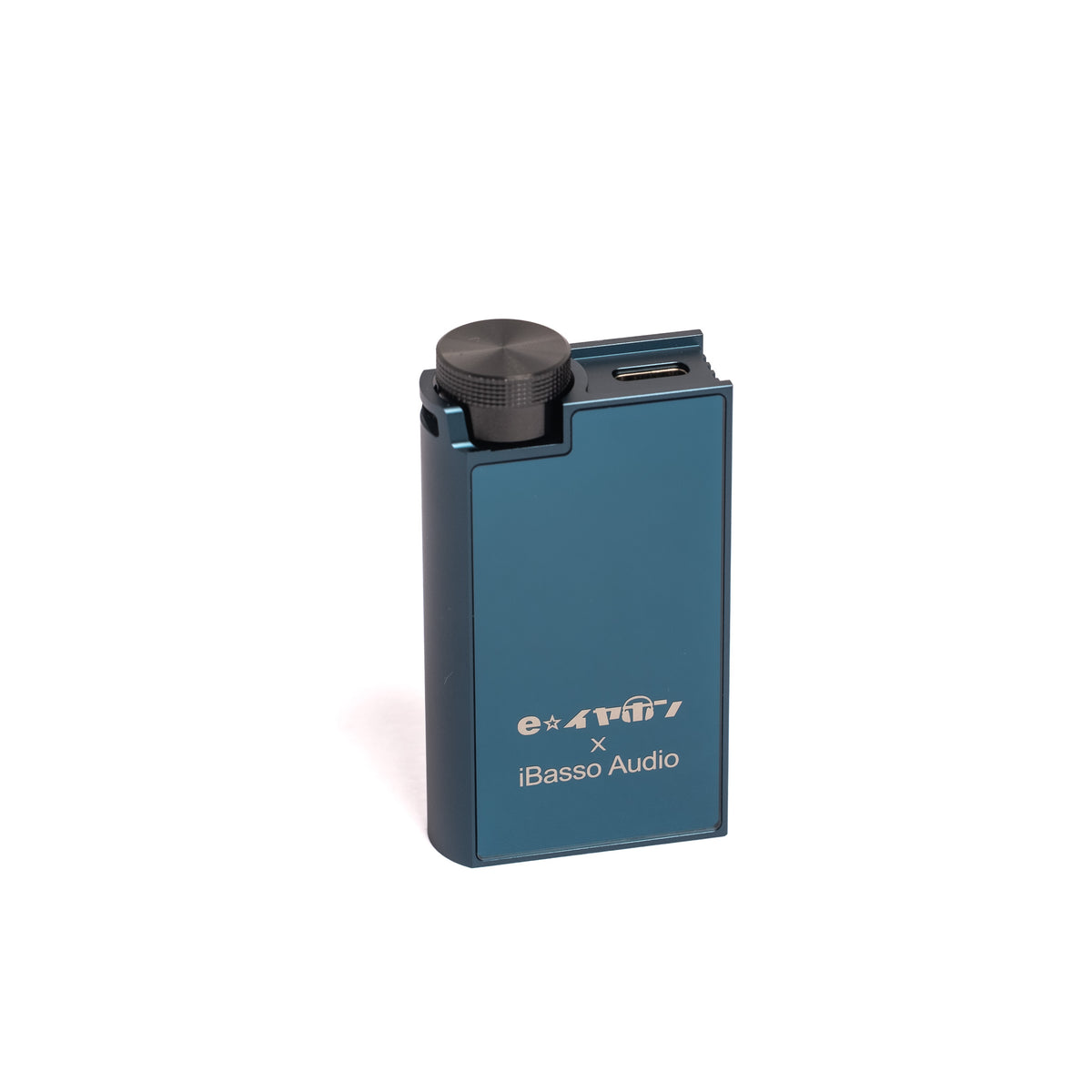
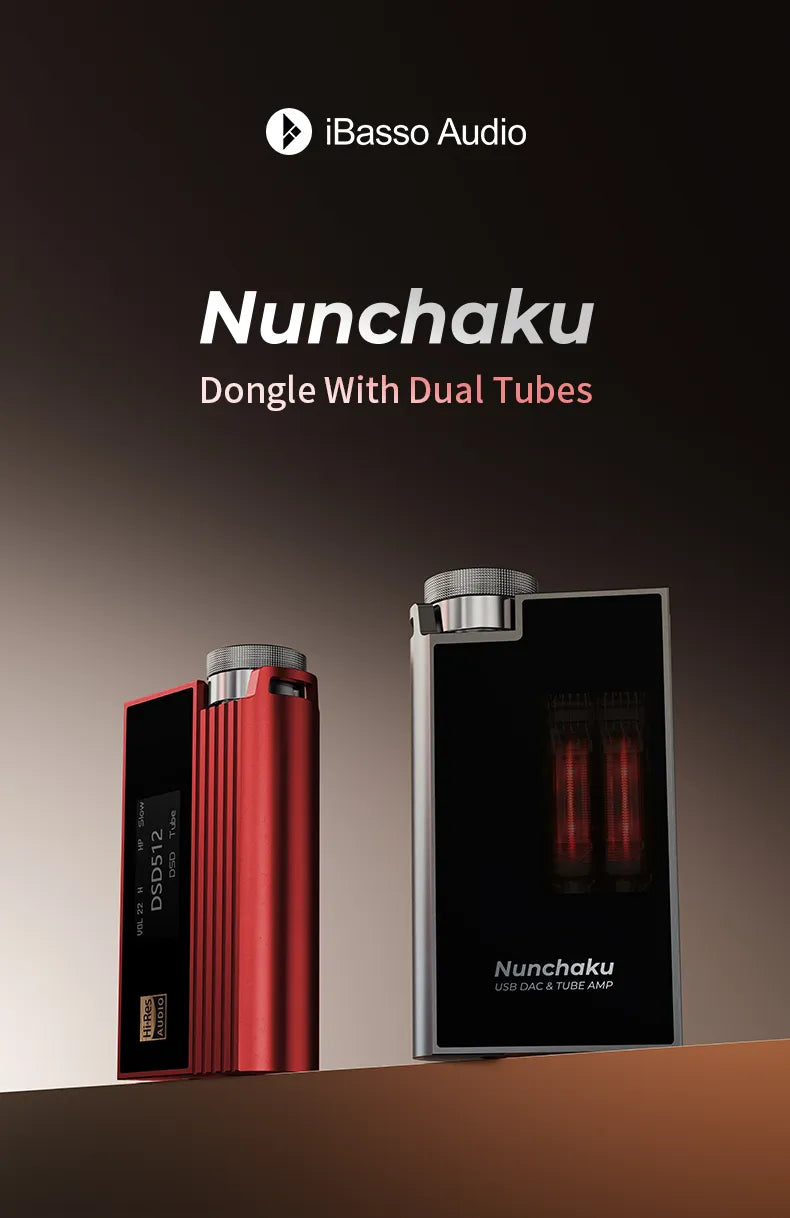
The iBasso Nunchaku runs your music through two small vacuum tubes, fed with 22.5 volts so they have room to work, which gives voices and instruments a richer, rounder glow than a chip alone. Switch to Class AB, a clean solid-state mode, and it turns drier and more neutral, so one dongle gives you two different sounds, and both stay quiet even with sensitive earphones. The tradeoff is power: tube mode draws more from your phone than a basic dongle, so on a long day away from a charger, Class AB is the one that saves your battery.


What it'll drive :
Every earphone in the shop, and most full-size headphones. Tube mode suits earphones that could use more body, such as bright or lean sets, and it stays quiet even with sensitive multi-driver IEMs.

Streaming & compatibility


Your phone or computer does the streaming, so every app works: Tidal, Qobuz, Apple Music, Spotify, YouTube Music. It works as a USB DAC with Android phones, iPhones with USB-C, Mac, Windows and Linux.

The 3.5 mm jack can also send a coaxial digital signal to a bigger DAC.

Power & Battery


No battery: it runs off your phone or laptop over USB-C. The balanced output gives 525 mW per channel at 32 Ω in tube mode and 450 mW in Class AB; the 3.5 mm gives 150 and 125 mW.

For a tube design it's frugal at about 120 mA, but expect your phone's battery to drain faster than with a basic dongle.

Specs

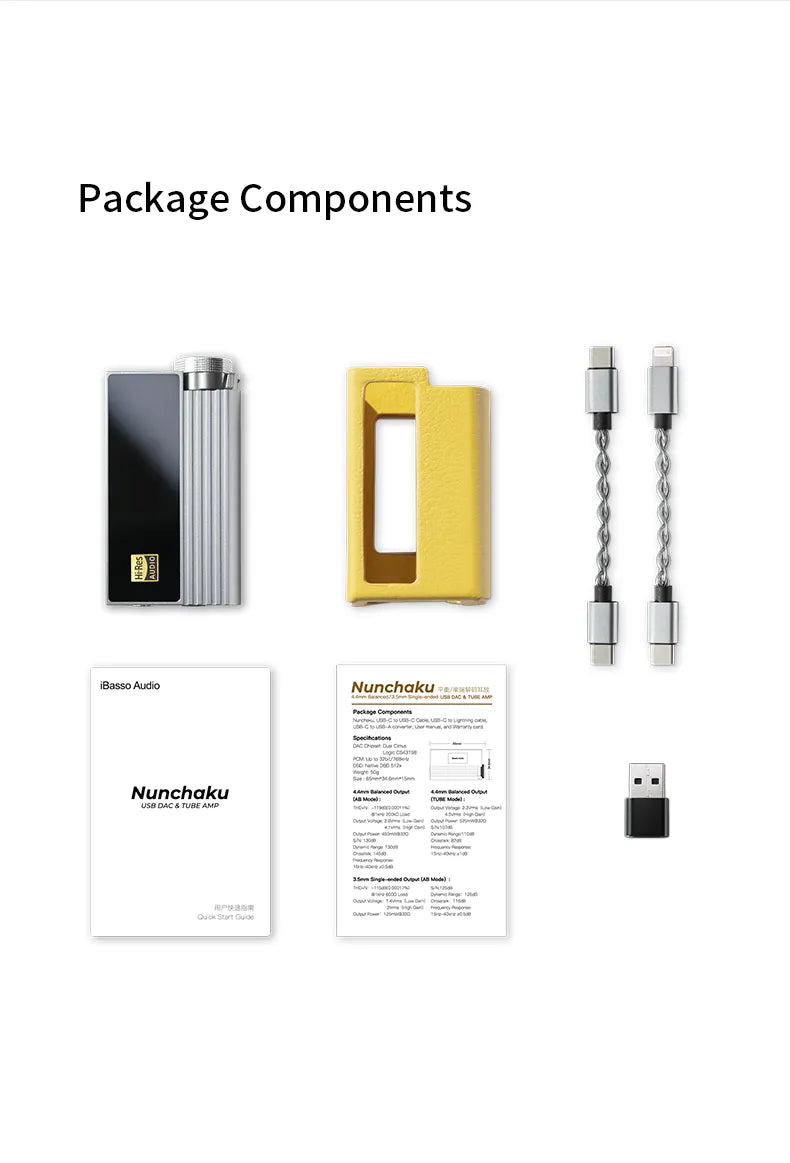
  • Type: USB DAC & tube headphone amp (dongle)
  • DAC: dual Cirrus Logic CS43198, iBasso FPGA
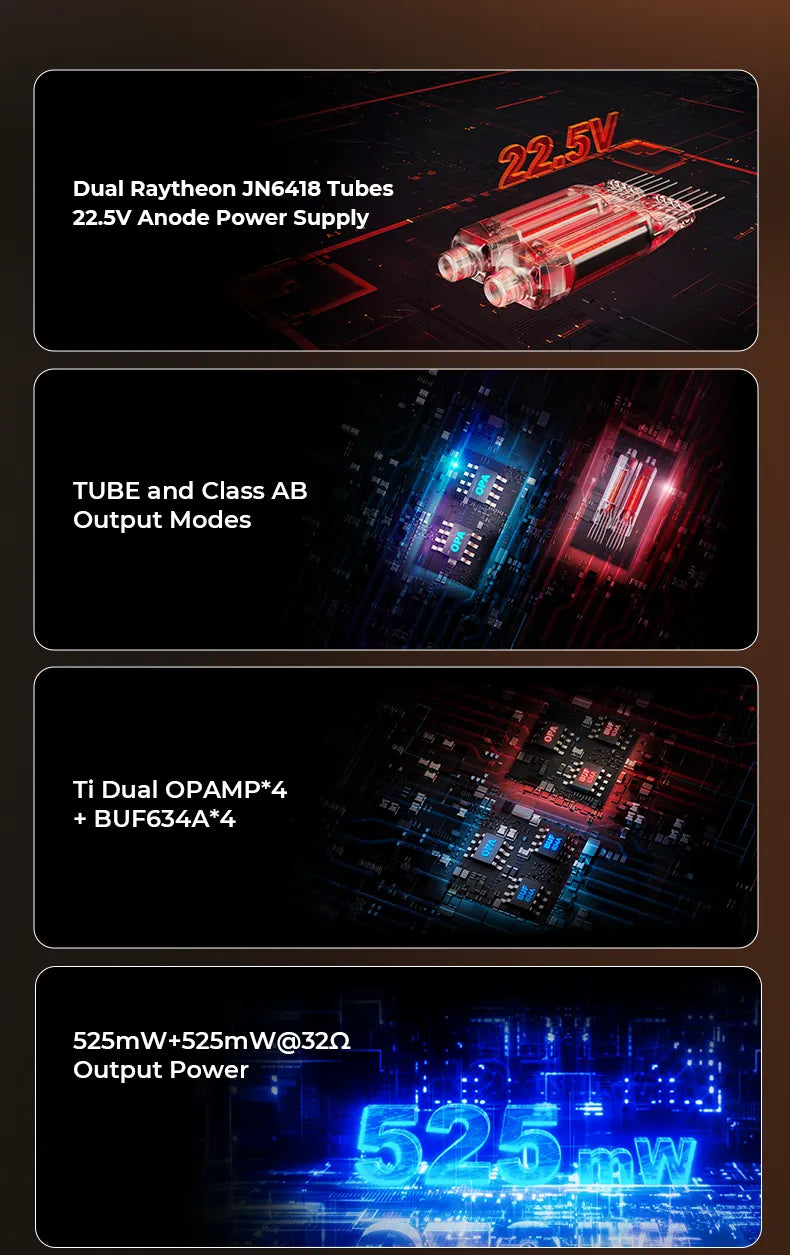
  • Tubes: 2× Raytheon JAN6418, 22.5 V anode supply
  • Amp modes: Tube / Class AB (op-amps + 4× BUF634A buffers)
  • Outputs: 3.5 mm single-ended (doubles as coaxial S/PDIF out) + 4.4 mm balanced
  • Output power (4.4 mm): 525 mW (Tube) / 450 mW (Class AB) at 32 Ω
  • Output power (3.5 mm): 150 mW (Tube) / 125 mW (Class AB) at 32 Ω
  • SNR (4.4 mm): 107 dB (Tube) / 130 dB (Class AB)
  • Formats: PCM up to 32-bit/768 kHz, native DSD512
  • Controls: 0.96" OLED, volume wheel, 5 digital filters, JRC hardware volume control
  • Power draw: about 120 mA at 5 V (Tube), under 100 mA (Class AB)
  • Colour: Red
  • Dimensions: 65 × 34.6 × 15 mm
  • Weight: 50 g
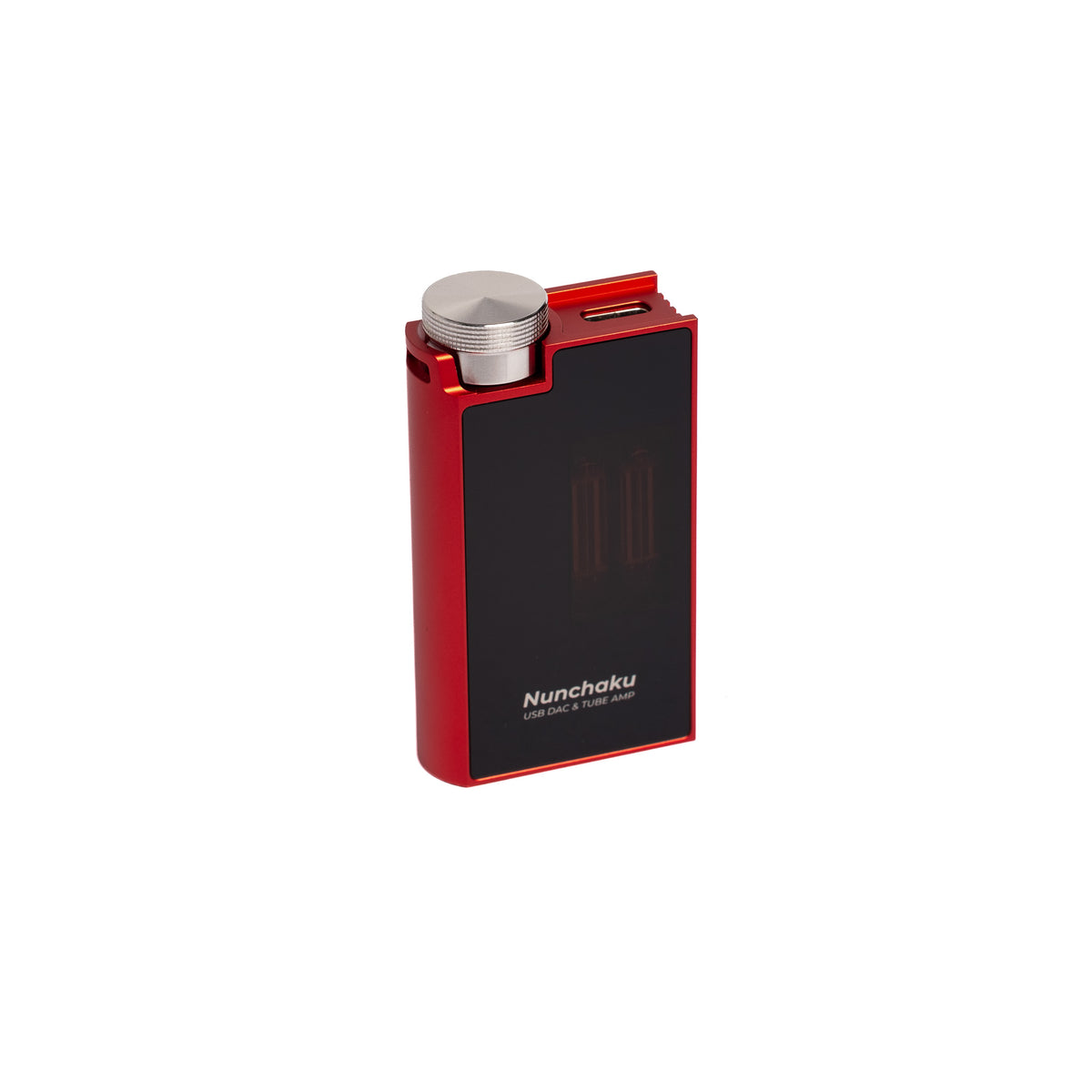
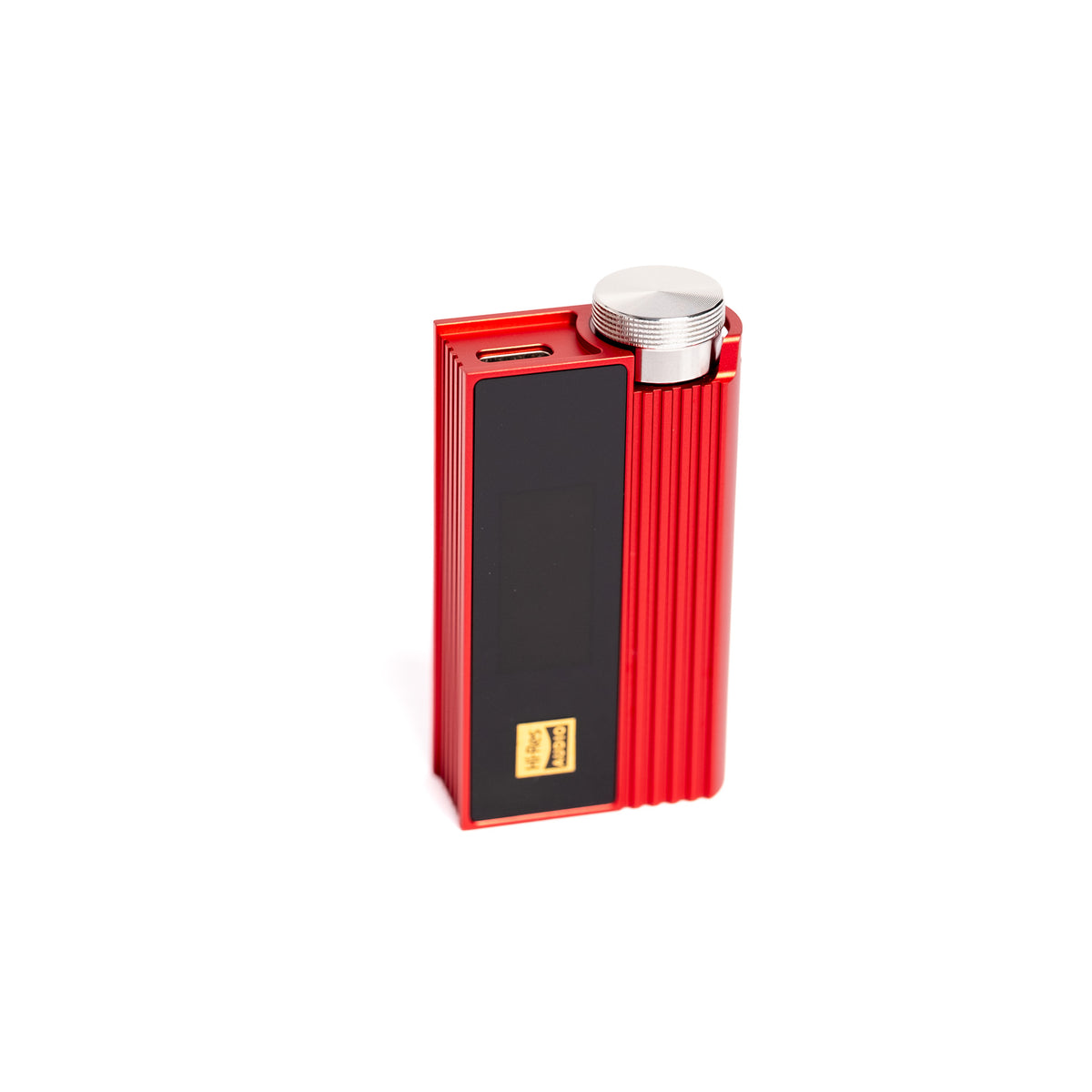
iBasso Nunchaku feature panels: dual Raytheon tubes on 22.5 V, tube and Class AB modes, 525 mW output

What others ask

Can the iBasso Nunchaku drive full-size headphones as well as IEMs?

For IEMs easily, and most full-size headphones too. The iBasso Nunchaku puts out 525 mW per channel from the balanced 4.4 mm output in tube mode and 450 mW in Class AB, with 150 and 125 mW from the 3.5 mm. That's more than any earphone I sell will ask for, and its tubes run on 22.5 volts, far more than a typical dongle supplies, so they have headroom instead of straining.

Does the iBasso Nunchaku hiss with sensitive IEMs?

No, not in my listening. On paper tube mode has a higher noise floor than Class AB, but with the earphones I've tried the iBasso Nunchaku stays quiet in both modes, sensitive multi-driver sets included. Start on low gain with sensitive IEMs, which also leaves you more of the volume range to work with.

What does tube mode on the iBasso Nunchaku actually change?

Tube mode is where the iBasso Nunchaku gets its character: voices come forward and sound fuller, bass decays more softly, the treble rolls off gently and the stage feels wider and more atmospheric. Class AB is the opposite, drier and cleaner with more sparkle up top, much closer to a normal high-end dongle. It's worth switching by album, tubes for vocals and acoustic records and Class AB for fast electronic music or metal.

Does the iBasso Nunchaku work with an iPhone, Android and a laptop?

Yes. The iBasso Nunchaku works as a USB DAC with Android phones, iPhones (USB-C, or Lightning with the cable in the box), Mac, Windows and Linux, and your streaming apps play through it as usual. The 3.5 mm jack can also send a coaxial digital signal, so at home it doubles as a digital link to a bigger DAC.

Does the iBasso Nunchaku drain my phone's battery faster than other dongles?

A bit, because heating two tubes takes power. The iBasso Nunchaku has no battery of its own and draws about 120 mA from your phone in tube mode and under 100 mA in Class AB, which is modest for a tube design but more than a basic dongle. On a long day away from a charger, Class AB is the mode that saves your phone.

iBasso Nunchaku or a regular dongle: who is the tube version for?

The iBasso Nunchaku is for listeners who find most dongles a little dry or clinical and want warmth and body without changing their earphones. If your sets already lean warm and you like them exactly as they are, a clean solid-state dongle is the simpler buy. And if you're unsure, the Class AB mode means the Nunchaku is never stuck sounding one way.